I was recently interviewed by Yahoo for an article about organizing trends (linked here), and a quote they pulled from my response really captures one of many feelings I have around organization:
“Real organizing is slower, more customized, and less dramatic than trends suggest.”
If you’ve ever felt like a failure because Marie Kondo’s method didn’t stick or that perfectly color-coded pantry you saw on Instagram feels impossible to maintain—this post is for you.
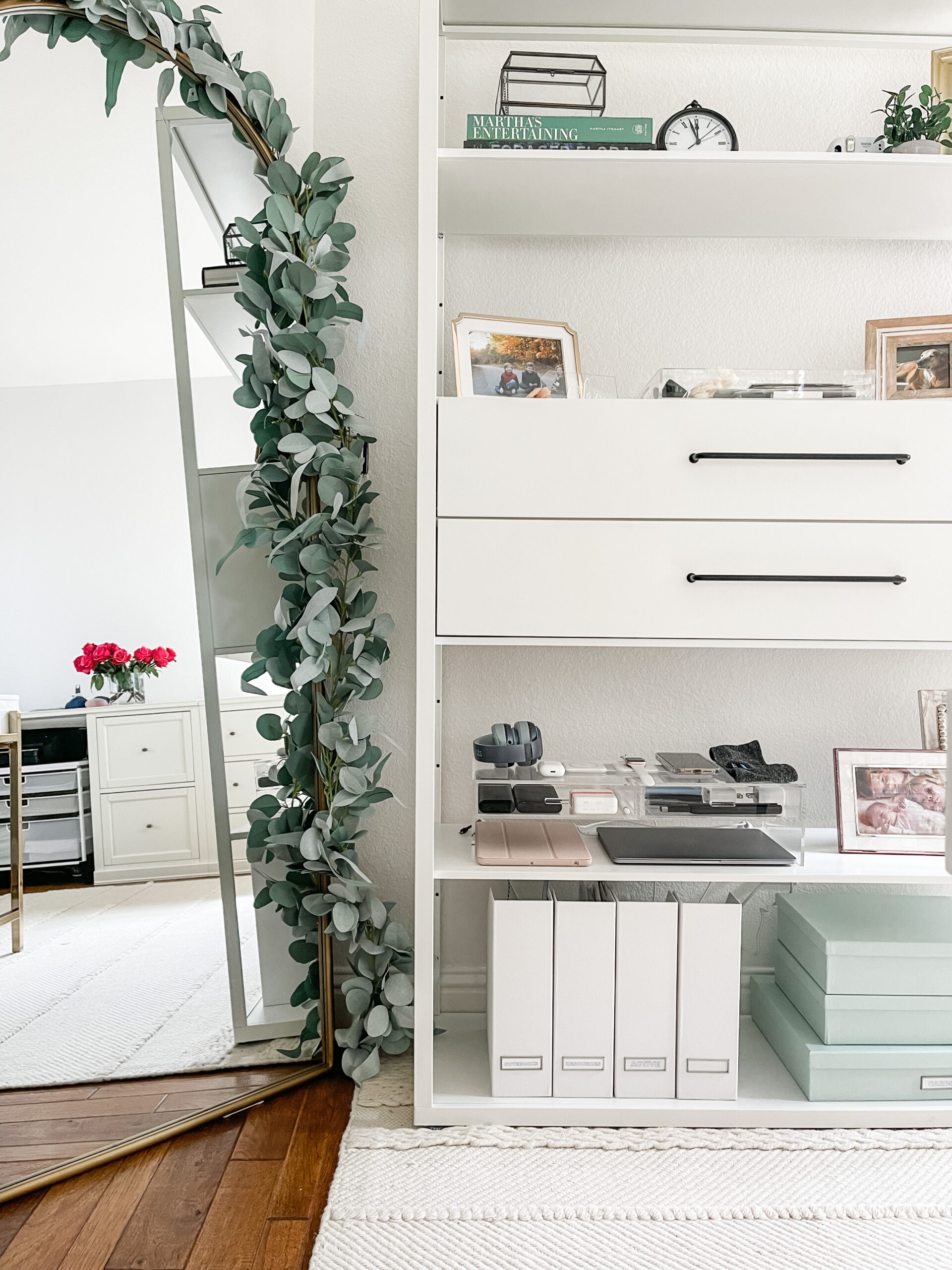
Let me paint a familiar picture: You see a before-and-after transformation on social media. Someone decluttered their entire house using [insert trendy method here]. The results look incredible. You think, “This is it! This is the system that’s going to change everything for me.”
You dive in with enthusiasm. Maybe you even see some initial progress. But within a few weeks—or sometimes just days—the system falls apart. You’re back where you started, except now you also feel like you failed at something that seemed to work effortlessly for everyone else.
Here’s what I need you to understand: You didn’t fail. The trend failed you.
The organizing trends that go viral share something in common. They’re designed to be dramatic. They’re designed to be visual. They’re designed to go viral.
What they’re not designed to do is account for how you specifically process decisions, manage emotions around your belongings, and maintain systems over time.

The Fundamental Problem: One-Size-Fits-All Solutions for Deeply Personal Problems
Some people are highly visual and need to see everything they own or they’ll forget it exists. For them, closed storage systems are a nightmare. Other people feel overwhelmed by visual clutter and need everything tucked away behind doors. Same household task, completely opposite solutions.
Some people make decisions quickly and can toss items without much emotional processing. Others need time to sit with their feelings about letting go. Neither approach is wrong—they’re just different.
The right organizing method isn’t the most popular one, the most aesthetically pleasing one, or the one your favorite influencer swears by.
The right method is the one that matches how you process emotions and make decisions about items you have an attachment to.
What Actually Works: Meeting Yourself Where You Are
So if trendy, dramatic overhauls don’t create lasting change, what does? Let me share the principles that I’ve seen work consistently across hundreds of organizing projects:
1. Systems That Work With Your Habits, Not Against Them
This is the most critical piece, and the one that trends completely ignore. Your organizing system needs to accommodate your actual habits—not the habits you wish you had or the habits that look good on social media or Pinterest.
Do you drop your keys and wallet the second you walk in the door? Then you need a catch-all system right there in your entryway, not some elaborate “everything in its place” setup that requires you to walk to three different rooms.
Do you tend to pile papers on the kitchen counter? Fighting that habit is exhausting. Instead, create a designated paper management station right on that counter. Work with your natural flow, not against it. I love pretty boxes like this to conceal items that create the visual clutter.
The goal isn’t to become a different person. The goal is to create systems that work for the person you already are.
2. Slower Progress That Actually Sticks
I know “go slow” isn’t sexy advice. It’s not going to get a million views. But here’s what I’ve learned after years in this work: the dramatic weekend overhaul almost never leads to lasting change.
Real organizing happens in small, consistent actions over time. It’s checking off one small task or space at a time. It’s tackling a single drawer this week, not your entire bedroom in one Saturday.
Why? Because sustainable organizing isn’t just about moving stuff around. It’s about building new decision-making muscles, processing your emotional attachment to belongings, and creating habits that last beyond the initial motivation spike.
The most successful organizing projects I’ve worked on weren’t the most dramatic. They were the ones where we moved methodically through spaces, made thoughtful decisions, and built systems that the person could actually maintain.
3. Declutter First, Products Second (Or Never)
Here’s an uncomfortable truth that the organizing industry doesn’t want you to hear: most of the time, you don’t need more organizing products.
Those beautiful matching bins? The color-coded labels? The specialty drawer dividers? They might make your space look more “organized,” but they won’t solve the underlying problem if you simply have too much stuff.
Decluttering has to come first. Always. You need to know what you’re actually keeping before you buy anything to contain it. Otherwise, you’re just creating a more attractive version of clutter.
And here’s the thing—once you’ve truly decluttered down to what you use and love, you often discover you need far fewer organizing products than you thought. Sometimes you need none at all.
4. Honor Your Feelings (Without Letting Them Paralyze You)
Your stuff tells a story. There’s real emotion tied to your belongings—the things you saved for, the gifts from loved ones, the items connected to who you used to be or who you hoped to become.
Effective organizing requires acknowledging these feelings without letting them trap you. Yes, your grandmother’s china matters. Yes, it’s okay to keep things that spark genuine joy or serve a real purpose in your life today.
But it’s also okay to let go. You’re not erasing memories by decluttering. You’re not being disrespectful to gift-givers. You’re not giving up on your dreams. You’re creating space for the life you’re actually living right now.
The key is finding that balance—and that balance looks different for everyone. Some people need to process emotions slowly, item by item. Others do better making quick decisions and moving forward. Neither is wrong.
5. Focus on What You’re Trying to Achieve
Before you implement any organizing strategy—trendy or otherwise—get clear on what you’re actually trying to accomplish.
Are you trying to reduce the time you spend looking for things? Create a more peaceful visual environment? Make space for a new hobby? Prepare your home for a life transition?
The answer to “what am I trying to achieve?” should drive every organizing decision you make. It’s your North Star when you’re tempted to implement someone else’s system or buy products you don’t need.
A home that functions well and feels calm looks different for every person. Your organized home might have open shelving and visible storage. Mine might have everything behind closed doors. Both can be “organized” if they’re serving their purpose for the person living there.

The Bottom Line: It’s Not You, It’s the Method
If you’ve tried multiple organizing trends and nothing has stuck, please hear this: there is nothing wrong with you.
You’re not lazy. You’re not disorganized by nature. You’re not a lost cause.
You’ve just been trying to force yourself into methods that weren’t designed with you in mind.
The most effective organizing happens when the method matches the person—not when the person tries to contort themselves into a trendy framework that doesn’t fit.
So instead of looking for the next viral organizing hack, ask yourself: What are my actual habits? How do I naturally process decisions? What would make my daily life easier right now?
Start there. Start small. Start with systems that work for who you actually are.
That’s not trendy advice. But it’s the advice that actually works.
Want to read more perspectives from professional organizers? Check out the full Yahoo article here featuring organizing tips from multiple experts in the field.
Back soon!
xo,
Sam
Exactly!!!